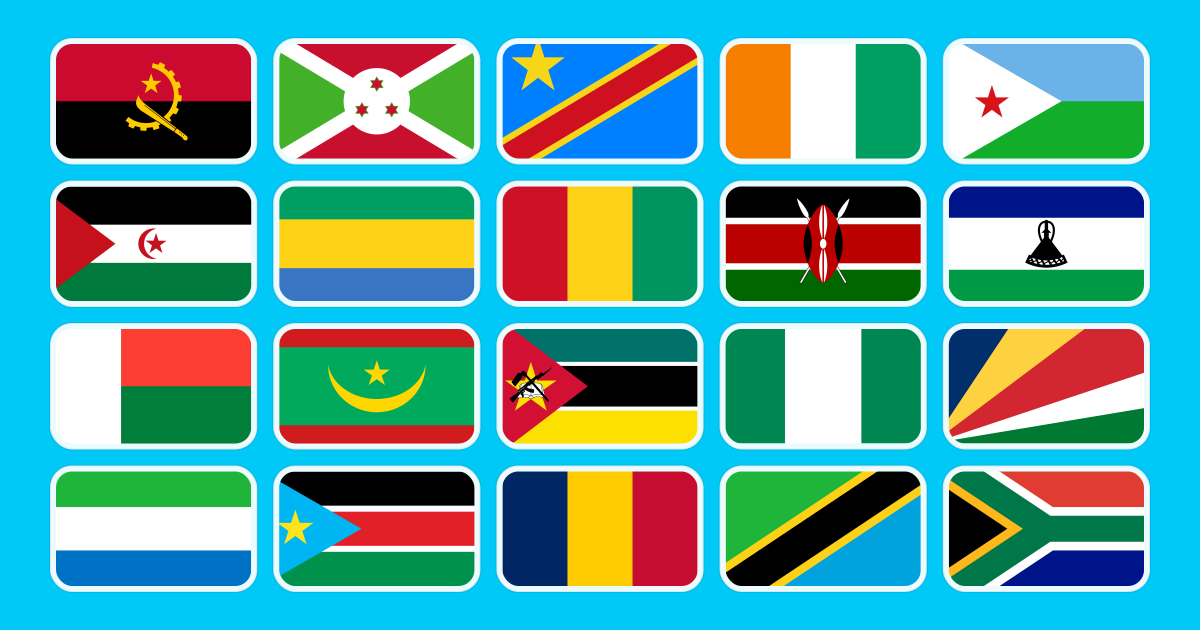
Africa flag quiz overview
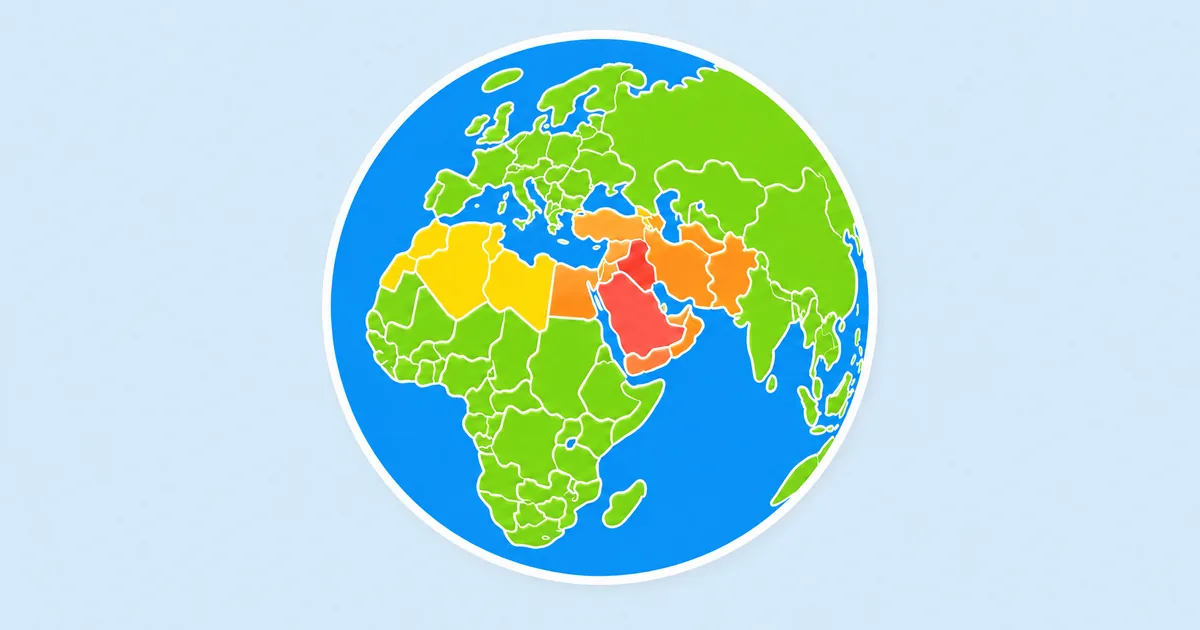
The Africa flag quiz focuses on national flags across a large and diverse continent. Many African flags use strong color families, stars, emblems, and stripes that become easier to recognize when you study them by region.
Why African flags are interesting
Green, yellow, red, black, blue, and white appear often, but each flag uses them in a different structure. The challenge is learning the order, symbols, and layout rather than relying on color alone.
What to watch for
- Compare flags that share pan-African color patterns
- Notice stars, shields, birds, weapons, and central emblems
- Learn island countries separately from mainland groups
Good practice strategy
Start by learning flags in smaller clusters such as North Africa, West Africa, East Africa, Southern Africa, and island countries. This makes similar designs easier to compare without trying to memorize the whole continent at once.
Some flags become memorable because of a unique emblem, while others are mainly distinguished by stripe order or color placement. When you miss a flag, compare it immediately with the options that felt similar.
Building confidence
Untimed rounds are helpful for careful observation. After you can identify the main regional groups, the timer is useful for turning recognition into faster recall.
Video version on YouTube
Prefer to take this quiz in video format? Watch below!