How Well Do You Know the Locations of World Cities?
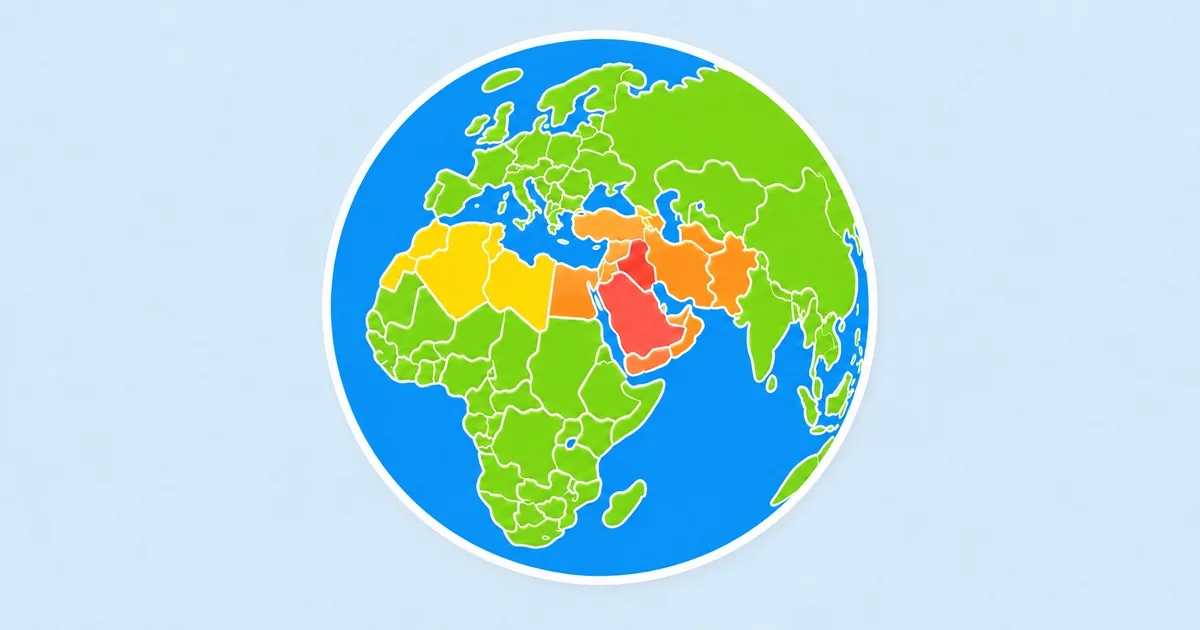
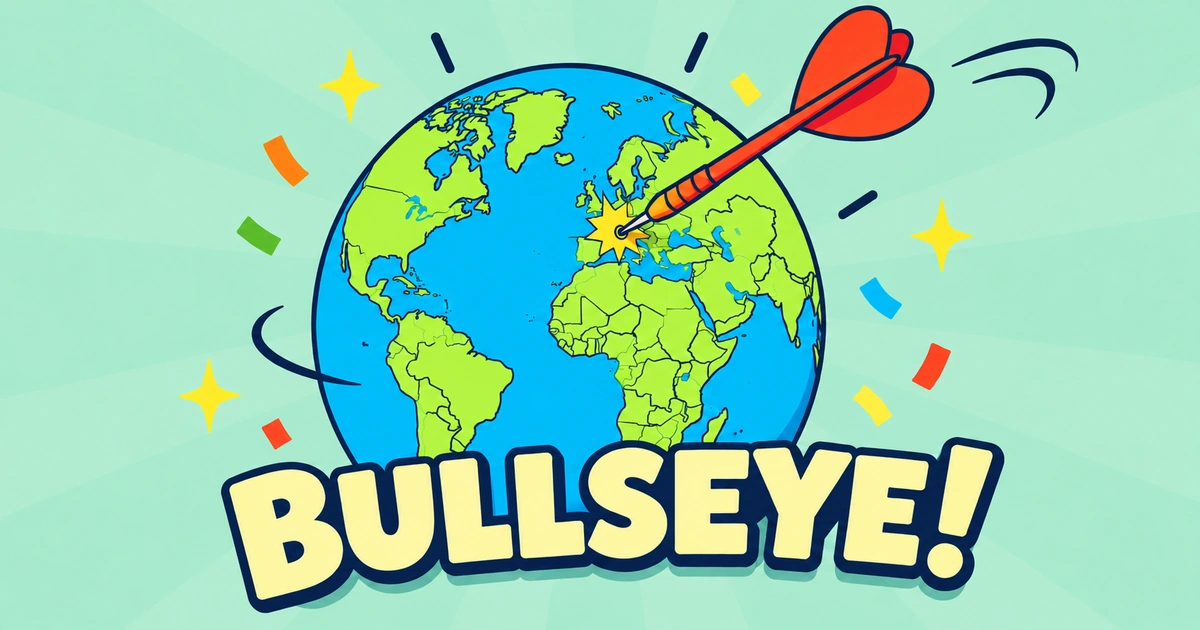
Knowing a city by name is different from knowing where it belongs on the globe. Globe Pinning asks you to locate cities as accurately as possible on a 3D Earth. Some answers may be easy at the country level, but earning a high score requires a much sharper sense of coastlines, borders, latitude, and distance.
How to Play the World Cities Geography Game
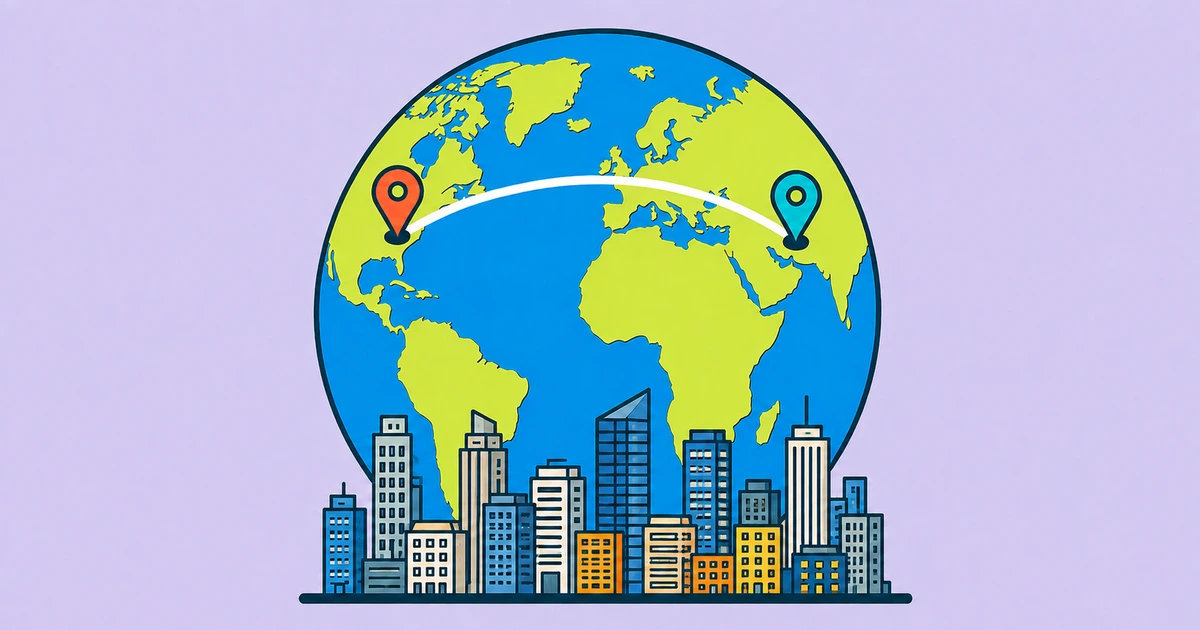
A city name appears at the start of each round. Rotate the globe, zoom in or out, and place your pin where you think the city is located. After you answer, the game compares your chosen point with the city's real coordinates. The distance between the two locations determines your score, so finding the correct country is only the first step.
Learn More Than Capitals
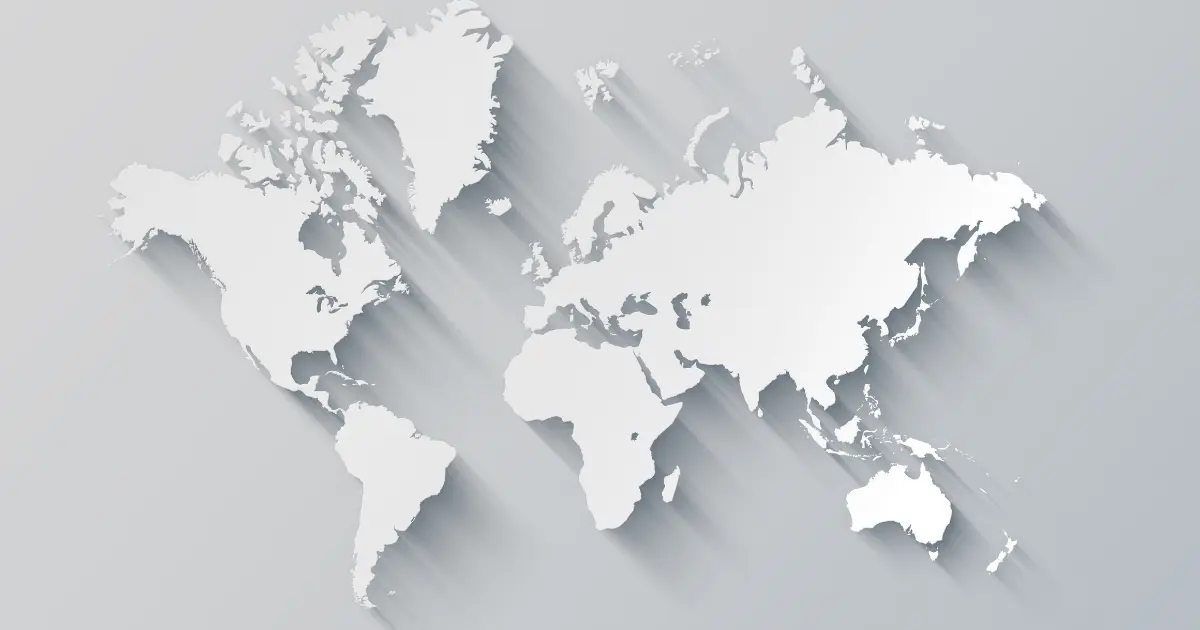
World geography is often taught through national capitals, but important cities are spread far beyond them. This game can include capitals, large population centers, port cities, inland cities, and regional hubs. Learning their positions reveals how settlement patterns relate to rivers, coastlines, mountain ranges, trade routes, and neighboring countries.
Build an Accurate Mental Map of the World
City location questions train several geographic skills at once. You learn which part of a country a city occupies, whether it lies north or south of another city, and how far it is from familiar reference points. Repeated play gradually replaces a vague idea of a country's location with a more detailed mental map.
Tips for Pinning Cities More Precisely
Begin with the continent and country, then look for geographic clues. Ask whether the city is coastal or inland, close to a border, near a major river, or located in the northern or southern part of the country. Use cities you already know as anchors. Even when your answer is wrong, the line and distance to the correct location show exactly how your estimate can improve.