Compare country populations
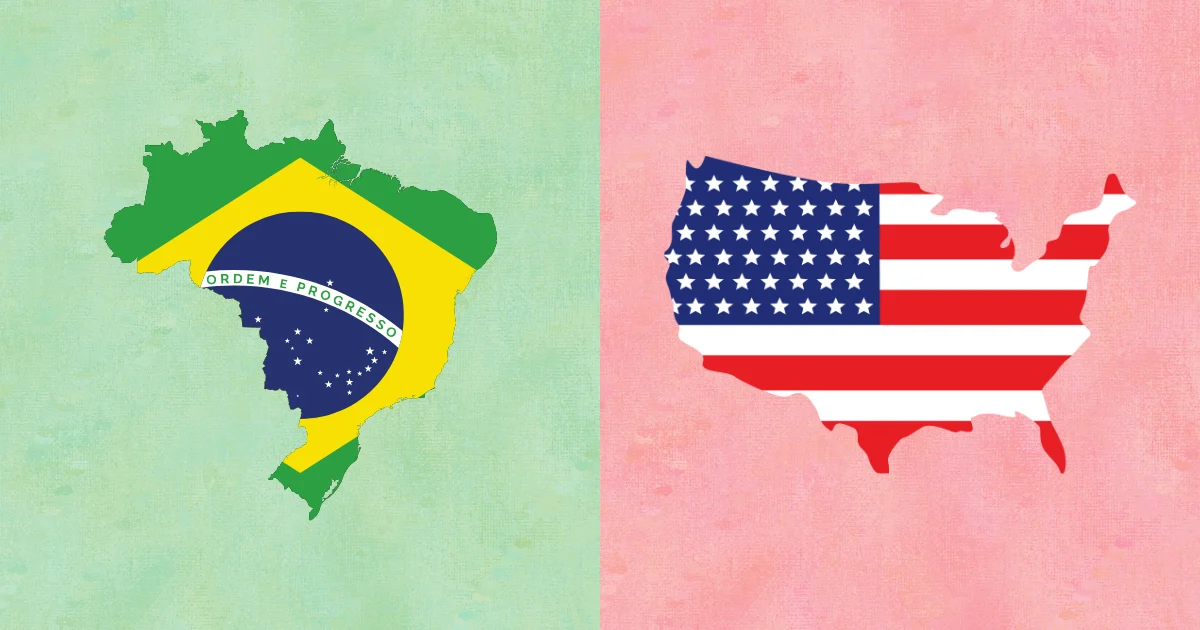
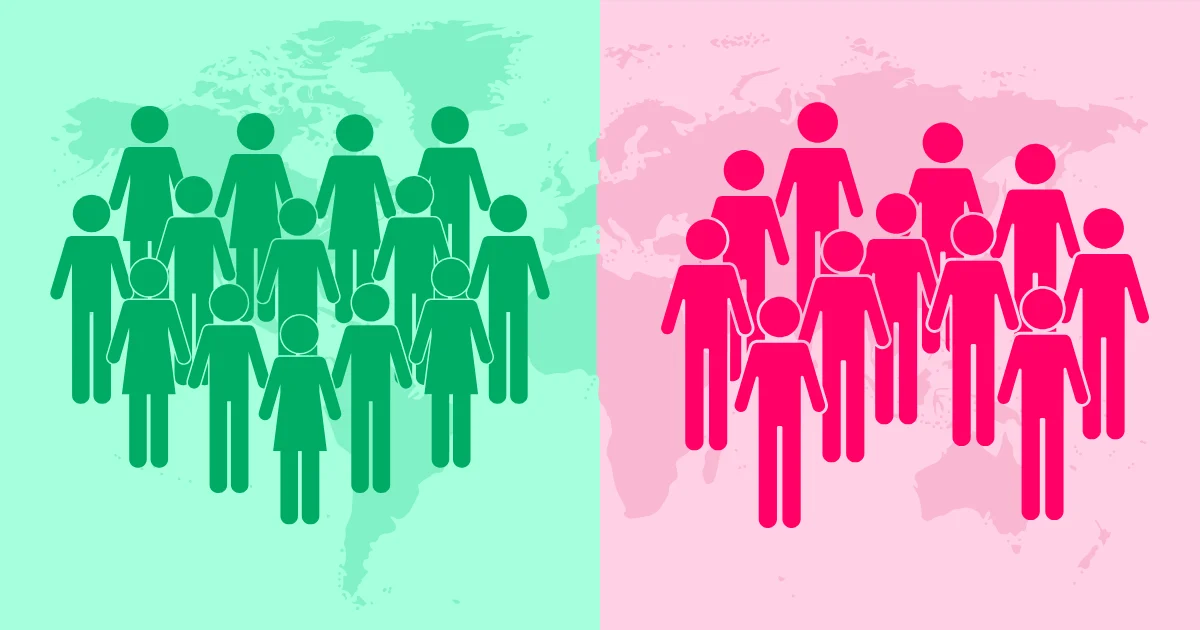
This country population comparison game helps you learn world geography by comparing how many people live in each country. Each round shows two country silhouettes, and your goal is to choose the country with the larger population before the timer runs out.
How the population comparison game works
Each question presents two countries side by side. Look at the country names, flags, and silhouettes, then choose the country with the larger population.
You can choose 10, 30, or 50 questions and play with or without the timer. Immediate feedback shows both population values after each answer.
Why comparing population helps
Population can be surprising because a physically small country may have more people than a much larger one. Direct comparison helps you connect country names and regions with a practical sense of population scale.
- Build a stronger sense of world population scale
- Connect country shapes with population size
- Improve recall through short repeated comparisons
- Support learning for map, flag, and capital games
Difficulty levels
Difficulty is based on both familiarity and the population gap between the two countries. Easy rounds use familiar countries with clear differences, while harder rounds include closer comparisons and a wider country set.
Tips for better scores
Start with Easy or Mixed mode if you are still learning population patterns. Large countries are not always the most populated, so think about major population centers and densely settled regions.