A region of large contrasts
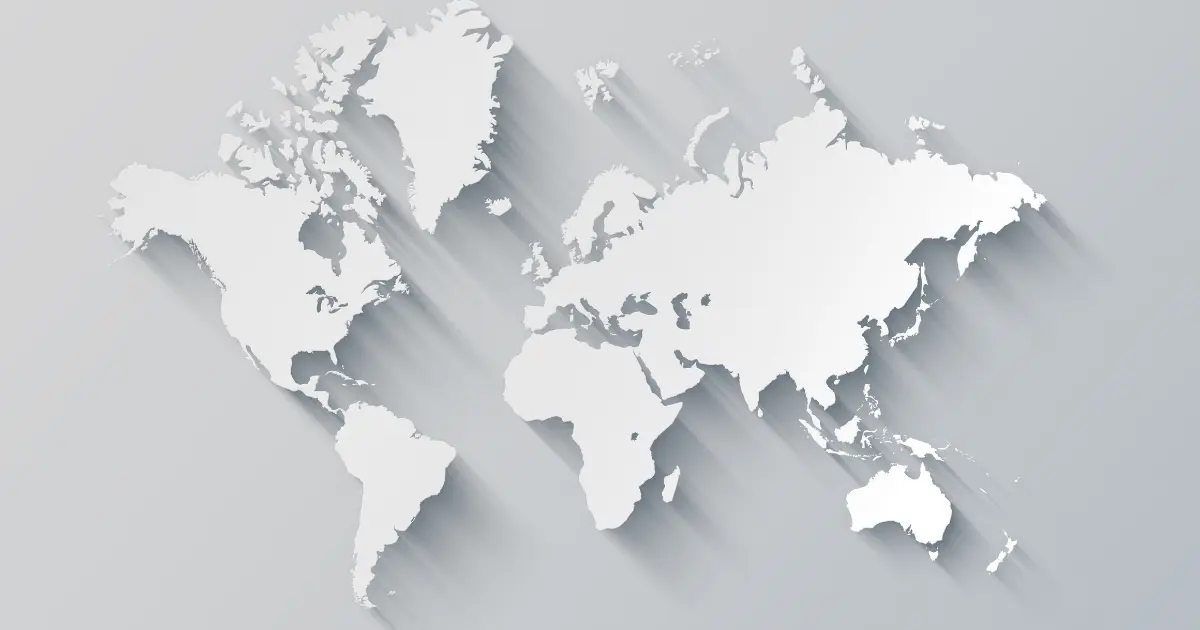
Asian country shapes range from continent-sized outlines to small islands and narrow peninsulas. That variety makes the Asian Country Shape Quiz less repetitive than a simple recognition drill. Russia, China, India, Saudi Arabia, Indonesia, Japan, the Philippines, Vietnam, and Sri Lanka all require different visual strategies.
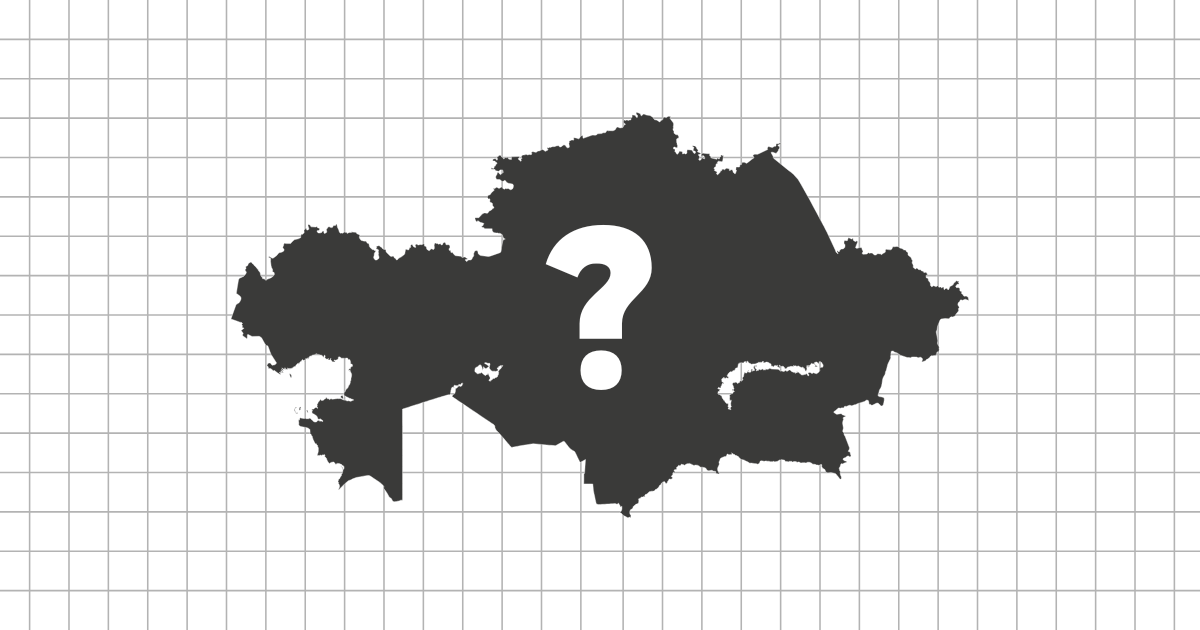
Some answers come from a single clue: India has a clear peninsula, Japan is an island chain, and Vietnam has a long coastal curve. Others depend on border memory, such as Kazakhstan, Mongolia, Laos, Nepal, or the countries of the South Caucasus.
Mainland, peninsula, or island?
One useful first step is to classify the silhouette before choosing an answer. Mainland countries often have angular borders and broad proportions. Peninsular countries have a strong directional shape. Island countries are defined by separation, chain structure, or a compact outline.
- Peninsula clues: India, Vietnam, Thailand, Malaysia, and the Korean Peninsula.
- Island clues: Japan, Sri Lanka, Indonesia, the Philippines, and Maldives.
- Mainland border clues: Kazakhstan, Mongolia, Nepal, Laos, and Bhutan.
Where players usually get stuck
Central Asia can be difficult because several countries are large, landlocked, and unfamiliar by outline. Southeast Asia has a different challenge: coastlines and peninsulas create long, curved silhouettes that must be compared carefully. The Middle East adds compact shapes where border angles matter more than coast length.
Use shorter rounds for these areas. Repeating 10 or 30 questions is often better than playing every available silhouette at once.
How this quiz supports map knowledge
Asia is easy to learn as a set of regions, but shape practice turns those regions into individual country images. Once you can recognize outlines, map placement and capital recall become easier because the country has a stronger visual identity.