Modern capital shifts overview
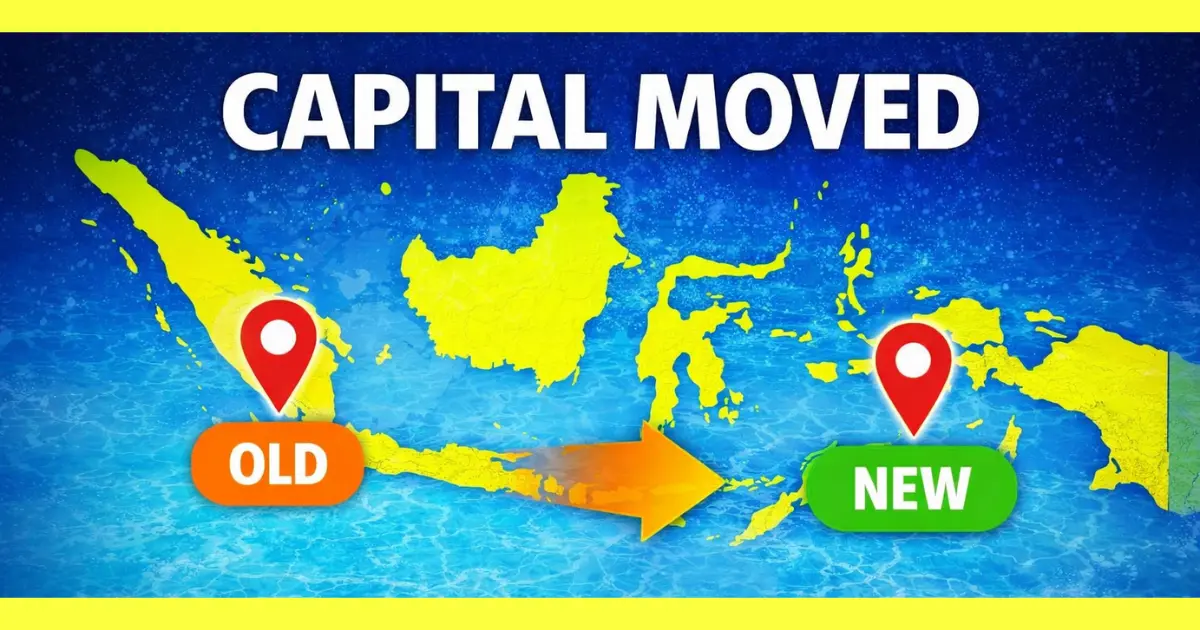
Capitals are often seen as fixed points on the map, but in reality they can move, change names, or even be rebuilt entirely. In recent decades, several countries have decided that their existing capitals no longer serve their political, environmental, or economic needs.
Rapid urban growth, congestion, environmental risk, and regional imbalance have pushed governments to rethink where power should be centered. As a result, new capitals have emerged, some fully operational, others still in transition, reshaping how nations are governed.
The modern relocation wave
Unlike historic capital moves driven by conquest or empire, many recent relocations are deliberate, long-term planning projects. These modern capitals are often purpose-built, located inland, or designed to decentralize population and administration.
- Newly constructed cities designed specifically for government functions
- Capitals relocated to reduce overcrowding or environmental risk
- Administrative seats that coexist with older economic or cultural centers
- Name changes and rebranding reflecting political shifts
In many cases, the move is gradual, with ministries and institutions transferring over years rather than overnight.
Different kinds of capitals
Some countries separate political, economic, and cultural roles across different cities. A "capital" in this quiz usually refers to the seat of government, even if the largest city is elsewhere.
That distinction explains why some answers feel unexpected.
What makes a capital "new" today?
A capital does not become """new""" only when a law is passed. In practice, the transition involves infrastructure, population movement, and the slow relocation of political power. Some capitals are legally designated but still evolving, while others are already functioning as full seats of government.
This quiz focuses on capitals whose status has changed in the modern era or continues to change, highlighting how fluid the concept of a capital can be.
How this quiz challenges assumptions
Each question asks you to name a capital that was relocated, newly established, or fundamentally transformed in recent years. Instead of testing ancient history, the quiz centers on changes that are still shaping global politics.
You""™ll encounter well-known examples alongside lesser-known capitals that even experienced geography fans often miss.
Patterns you will notice
- Capital moves linked to independence or state formation
- Governments shifting power away from colonial-era cities
- Purpose-built capitals located far from traditional urban centers
- Ongoing transitions where old and new capitals coexist
Recognizing these patterns makes it easier to understand why capital relocation remains a relevant issue in the modern world.
Ready to identify the newest capitals?
This quiz is designed for players who want to test up-to-date geography knowledge rather than memorizing static maps. Some answers may feel familiar, while others reveal just how much the world is still changing.
Start the quiz and see how many of the world""™s newest or recently transformed capitals you can correctly name.