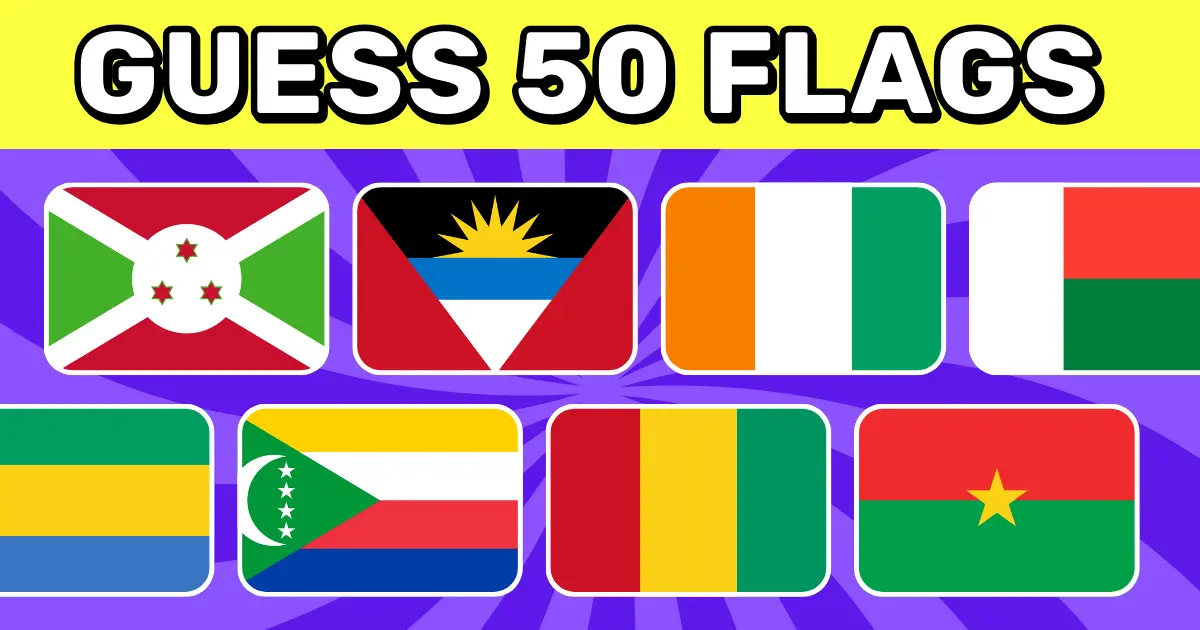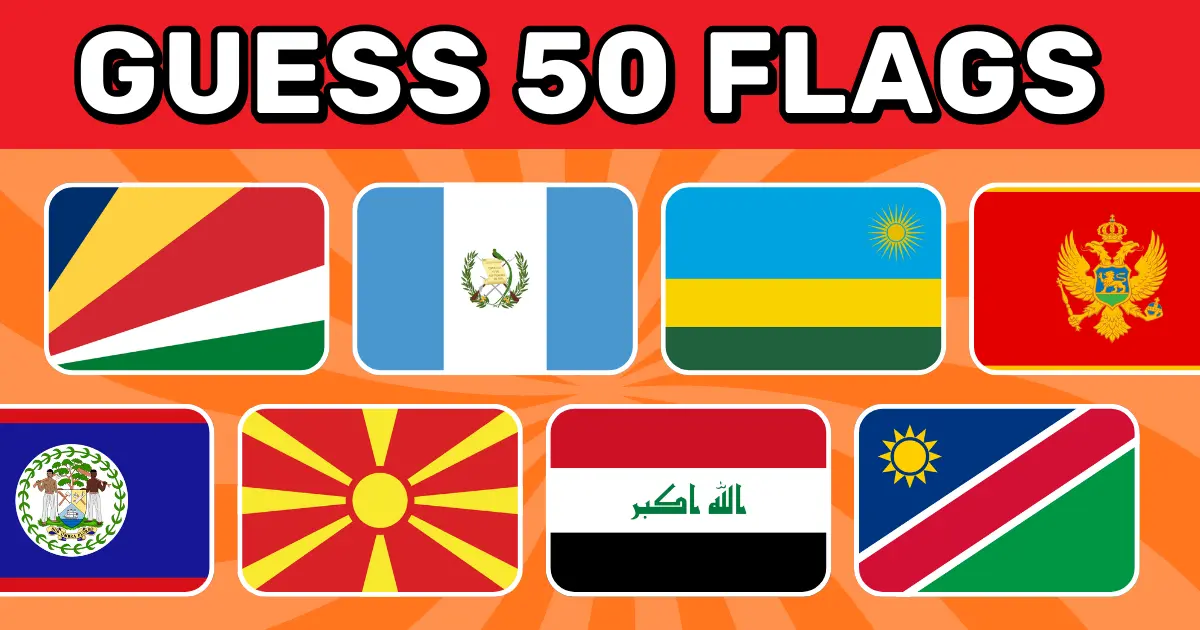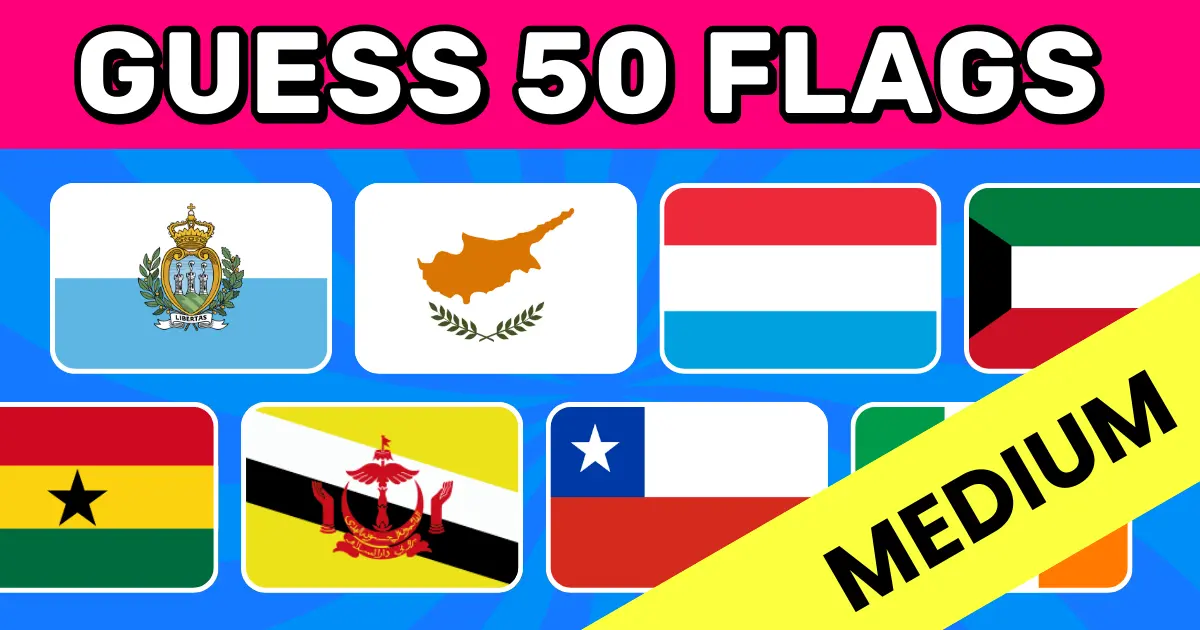
Intermediate flag overview
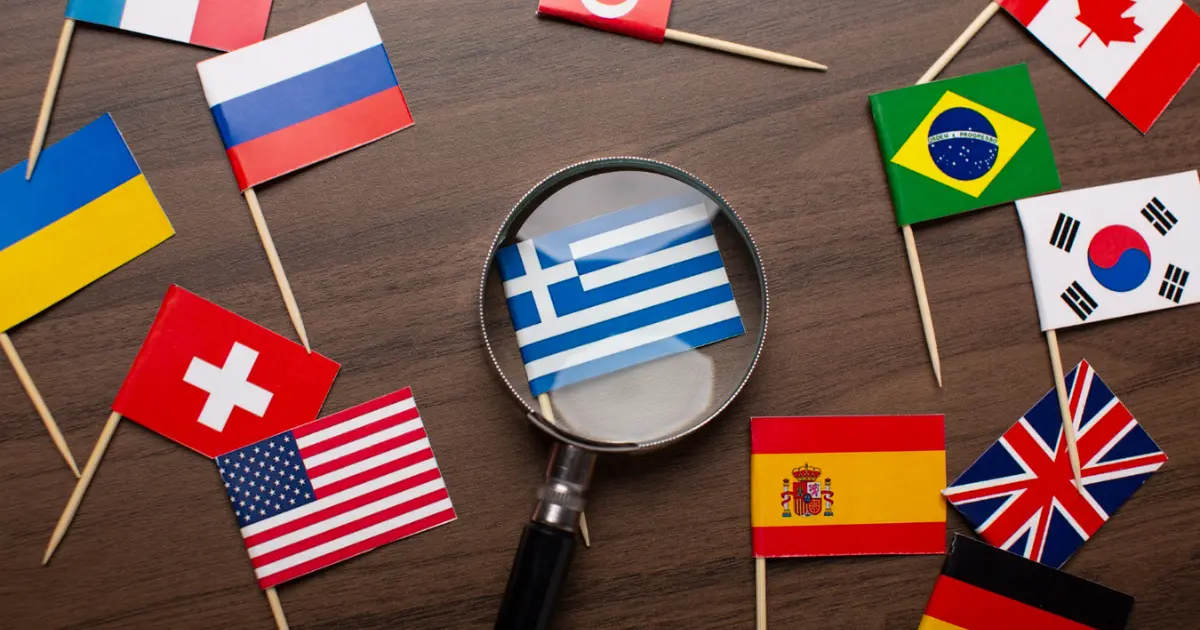
World Flags Quiz: Intermediate moves beyond the beginner level. These flags look familiar at first glance but become tricky next to similar designs.
You will see flags from regions like Asia and Europe. You may know the countries, but still hesitate when the designs are close.
At this level, the challenge is not how many flags you know, but how well you can compare them.
Why the intermediate set feels different
This set is built around flags that feel familiar but are not instantly distinctive. The goal is to force comparison between similar layouts rather than reward trivia.
Expect repeated color palettes and shared motifs. The skill you build is separating structure from familiarity.
What this level actually tests
In the beginner level, recognizing a flag was often enough. Here, familiarity alone is not sufficient.
Similar colors, layouts, and regional influences mean you must focus on what truly separates one flag from another.
This stage trains you to compare designs side by side, not as isolated images.
Three comparison habits
Go beyond color alone
Color combinations are rarely enough. Flags with the same colors can differ in stripe direction, central elements, or balance.
Color is still the entry point, but it must be followed by a closer look.
Pay attention to why flags look similar
Similar-looking flags are rarely a coincidence. Shared history or geography often leads to related designs.
Thinking about why flags resemble each other helps organize memory and reduces confusion.
Choose one decisive checkpoint
The key rule is not to compare everything. Noticing every detail leads to hesitation.
Choose one decisive feature and rely on it consistently. One clear checkpoint often leads to faster and more accurate answers.
How to use this page
- Narrow choices to two based on instinct.
- Check the layout: stripe direction or central symbols.
- Recall the region or cultural background before deciding.
Keeping this order consistent stabilizes your decision-making.
Why this level feels tricky
Many players think, "I know all of these, but I still cannot decide," or "It seems obvious once I see the answer."
This is not failure. It is a sign that you have moved to a higher level and uncovered hidden gaps.
How the explanations improve accuracy
Each explanation points to one distinguishing feature: stripe order, symbol position, or a unique proportion. Do not try to memorize everything. Focus on one reliable rule per flag pair.
Over time, those rules accumulate into a mental index of look-alikes. That is the real goal of the intermediate level.
What you gain after finishing
After this quiz, you will rely less on color alone and more on structure and key details.
Connecting similar flags is essential preparation for the advanced level.
Looking ahead
The intermediate level is where flag quizzes shift from memory-based to observation-based challenges.
The comparison skills you build here are especially useful in the advanced level, where differences become even subtler.
Video version on YouTube
Prefer to take this quiz in video format? Watch below!