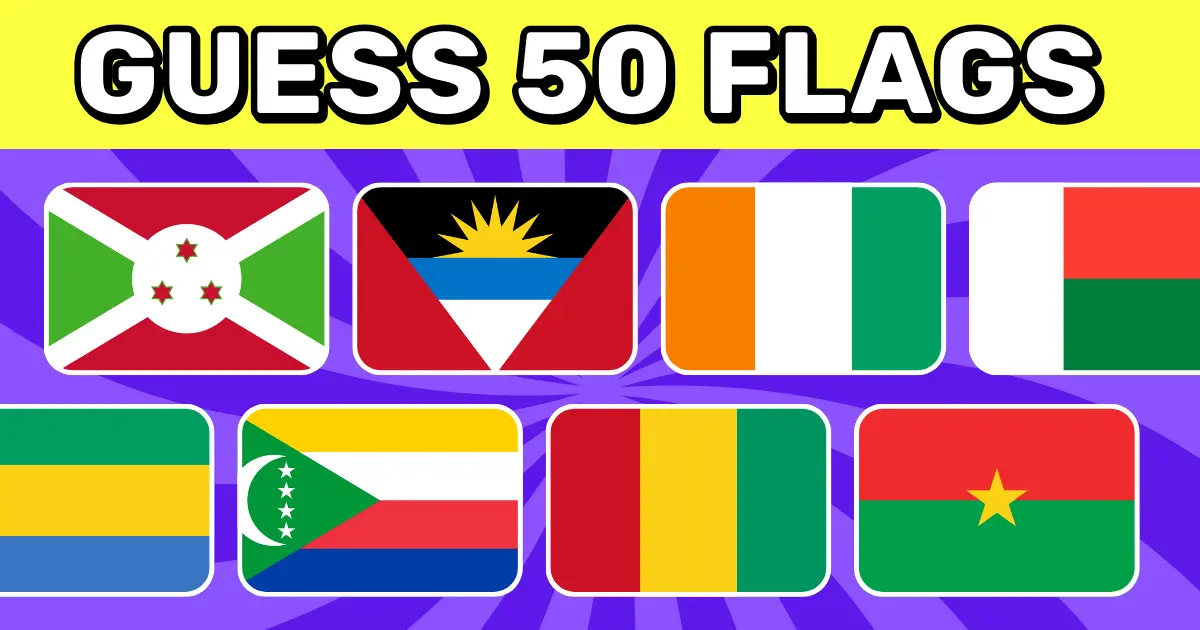
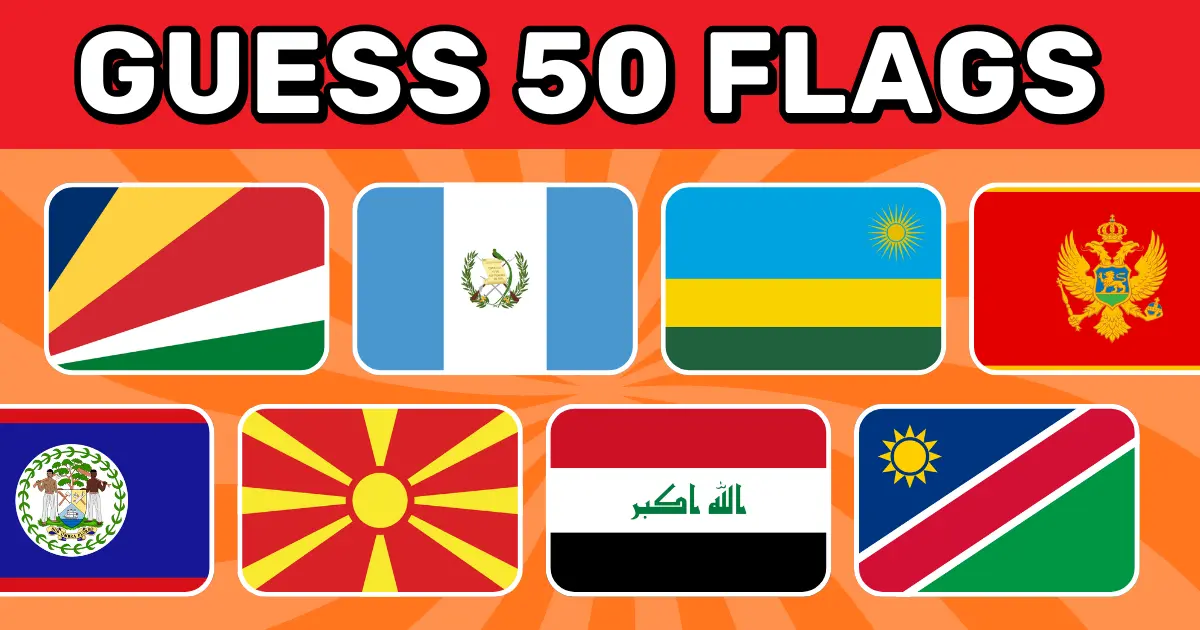
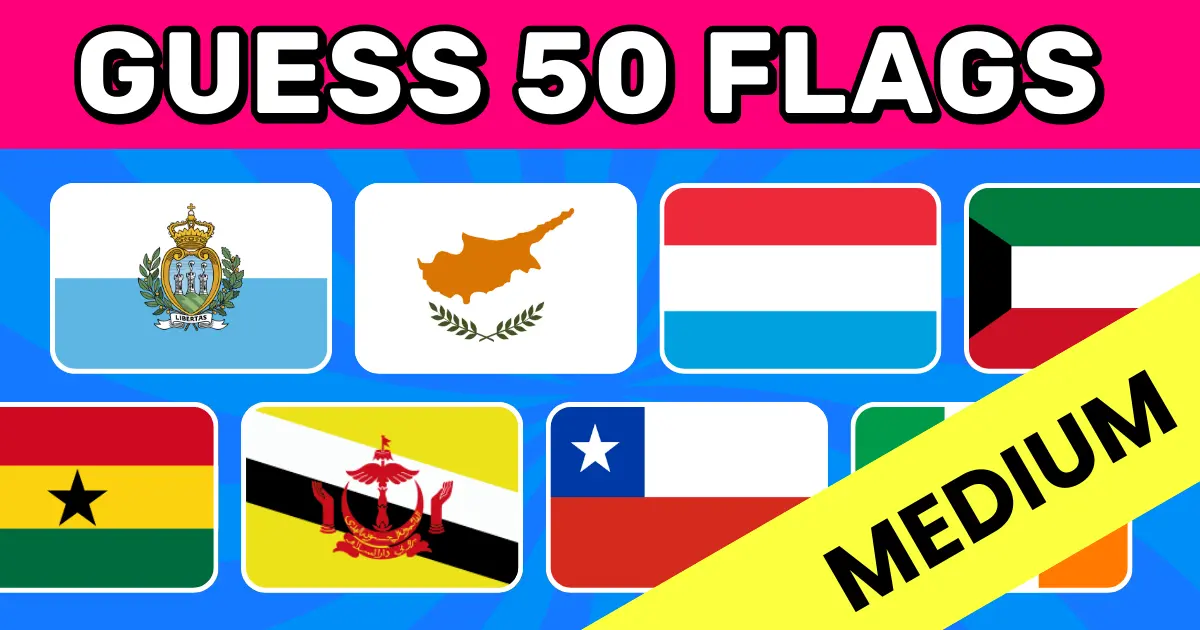
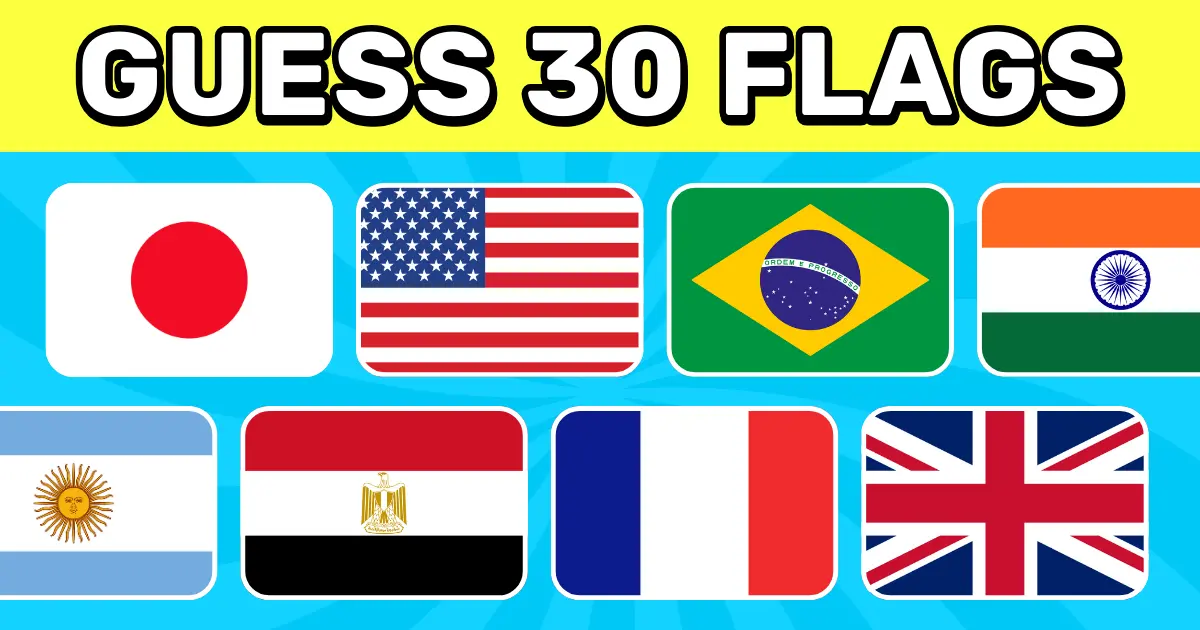
Beginner flag overview
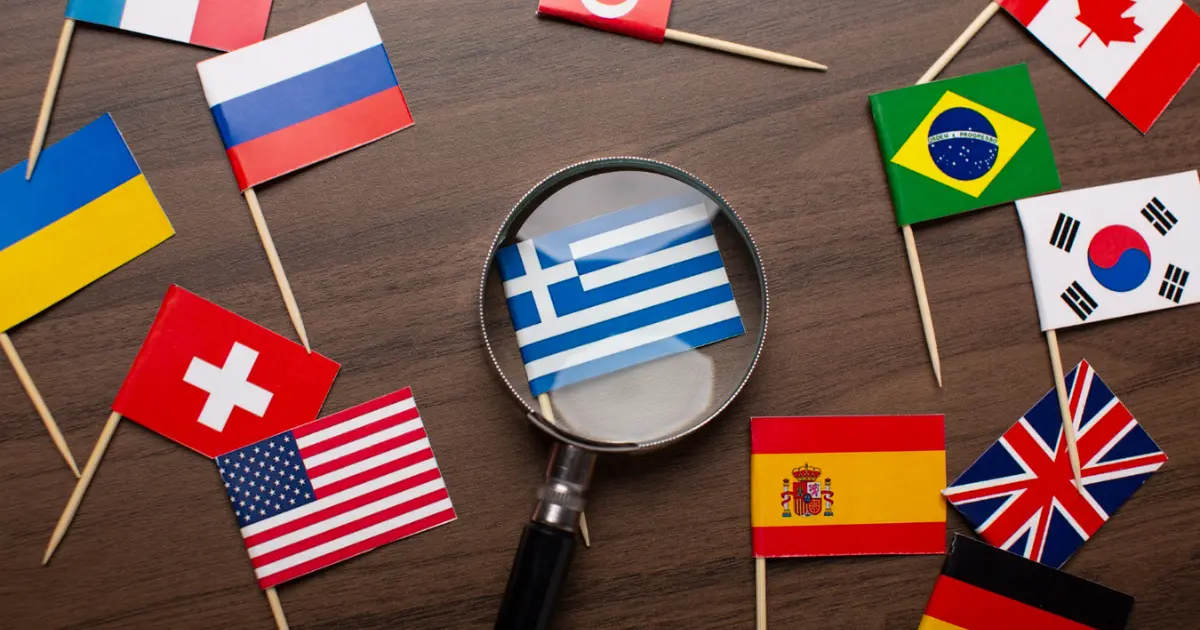
World Flags Quiz: Beginner is an entry-level set focused on the most recognizable national flags. These are designs you have likely seen in textbooks, news coverage, and international sports events.
The goal is not deep memorization. Instead, this quiz checks whether you can identify well-known flags at a glance, without overthinking or second-guessing.
Why these flags appear in the beginner set
This level focuses on flags that show up frequently in everyday life: news coverage, textbooks, sports broadcasts, and travel contexts. The idea is to build a stable baseline before you deal with regional look-alikes.
You will also see a mix of tricolors, crosses, and emblem flags so you start noticing layout families early.
Three quick recognition cues
1) Color patterns
Color is often the fastest clue. Even when flags share the same colors, their overall feel changes with stripe direction, layout, and color balance. At this level, a quick color-based impression goes a long way.
2) The role of symbols
Suns, stars, crosses, and coats of arms are not decoration"""they signal identity. You do not need to know every historical meaning here, but you should be able to spot the main symbol first.
3) How to tell similar flags apart
Even famous flags can look similar. Avoid comparing everything at once. Instead, choose one reliable checkpoint that clearly separates them.
How to play effectively
- Trust your first instinct and avoid overthinking early questions
- If you get stuck, check in this order: colors, layout, then symbols
- After reading the explanation, describe the flag in one short phrase
- When finished, retry only the flags you missed
At the beginner level, what matters most is noticing how you made each decision. That awareness becomes your foundation for more advanced flag challenges.
Memory tips for common flags
Create a one-line signature for each flag
Pure visual memorization breaks down quickly. Assign each flag a one-line signature that captures its most distinctive feature.
Use nicknames as memory hooks
Many famous flags have informal nicknames that highlight what makes them recognizable. These labels can serve as effective memory shortcuts.
For look-alike flags, choose one decisive checkpoint
Do not try to compare similar flags perfectly. Pick one decisive checkpoint"""such as the number of stars, the position of a cross, or a central emblem. One clear rule improves consistency.
Using the explanations well
Treat each explanation as a short memory card. Read it once, then describe the flag in your own words. If you can explain it without looking, it will stick.
When you miss a question, write down the single detail that would have fixed your mistake. That one detail is more useful than re-reading the whole paragraph.
After you finish
Once you complete this set, you will start viewing flags differently: first the color scheme, then the layout, and finally the main symbol. That sequence is the core skill behind most flag quizzes.
The intermediate level introduces more regional patterns and closer look-alikes. Use this quiz to lock in the fundamentals, then move forward with confidence.
Video version on YouTube
Prefer to take this quiz in video format? Watch below!