World Map Quiz
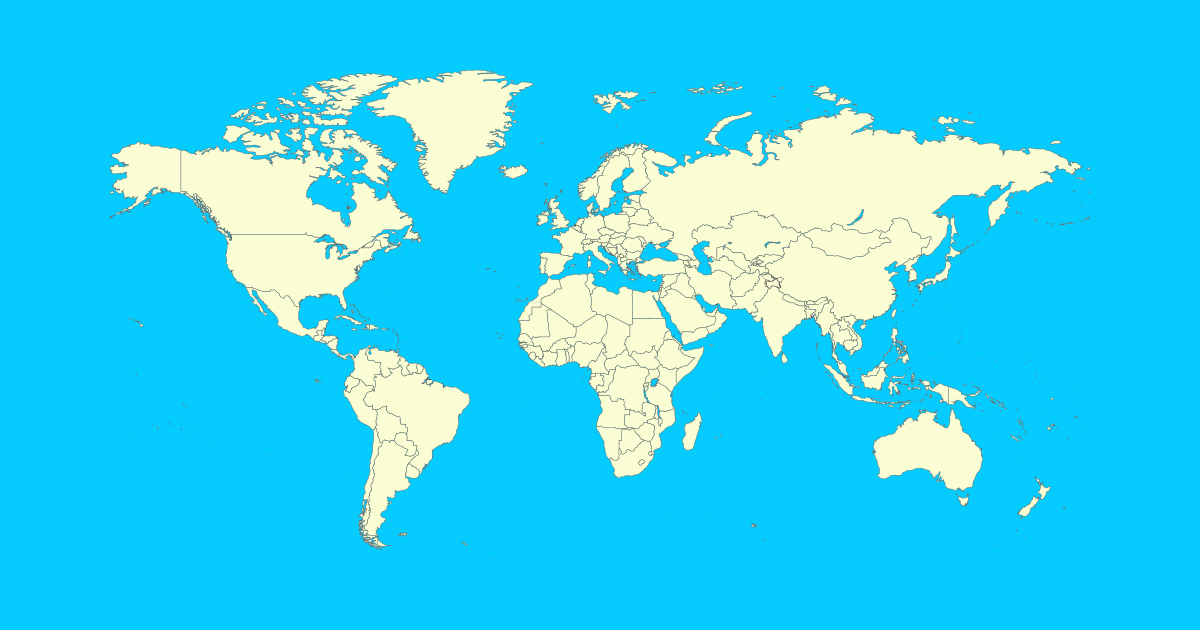
Play the World map quiz game. Guess the country on the map and practice world geography by region.
Questions
Time Limit
Countries Included
The World Map Quiz uses a fixed set of 197 entries for consistent play: 193 United Nations member states, 2 United Nations observer states, and 2 entries with special international recognition status.
- 193
- United Nations member states
- 2
- United Nations observer states: Vatican City and Palestine
- 2
- Entries with special recognition status: Taiwan and Kosovo
World map quiz overview
The world map quiz challenges you to find countries from every region on a single global map. It is a broad geography challenge that tests your memory of continents, borders, island nations, and relative location.
What you will practice
You will move between large countries, compact European states, island nations, and countries that are easy to confuse by name or position. This makes the world round useful for reviewing global geography as a whole.
How to improve
- Use continents as your first mental anchor
- Learn clusters of neighboring countries together
- Pay attention to small markers for compact countries
Suggested practice order
If the full world map feels too broad, start by treating each continent as a separate mental section. Locate the country by continent first, then narrow the search using coastlines, borders, and nearby countries.
Large countries can work as landmarks, but many mistakes happen around smaller countries and island groups. Replaying the world map helps reveal which areas need a dedicated regional quiz next.
Who this quiz is for
This quiz works well for learners who already know some world geography and want a complete review, as well as players who want a fast way to discover which regions need more practice.
Why the world map is different
A world round tests switching speed. You might move from Europe to Oceania, then to Africa or the Americas in consecutive questions. That variety makes it useful for building flexible recall instead of memorizing one region in isolation.
Countries Map Games
Africa
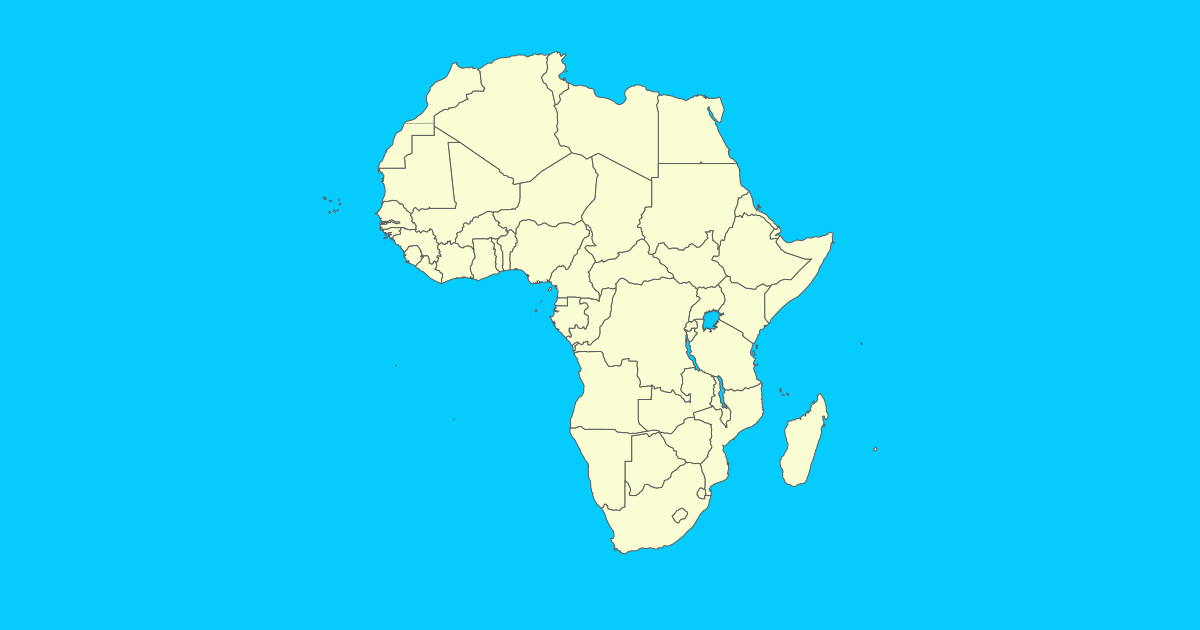
Trace huge deserts, coastlines, and inland nations across the continent.
Asia
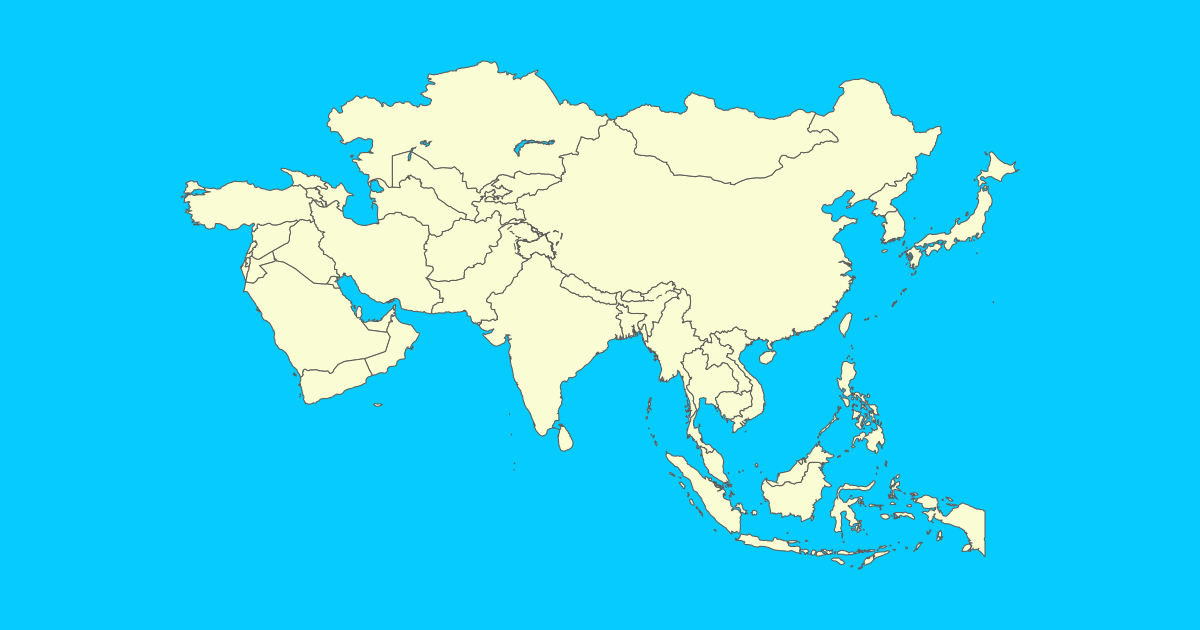
Work through vast borders, island chains, and fast-changing neighbors.
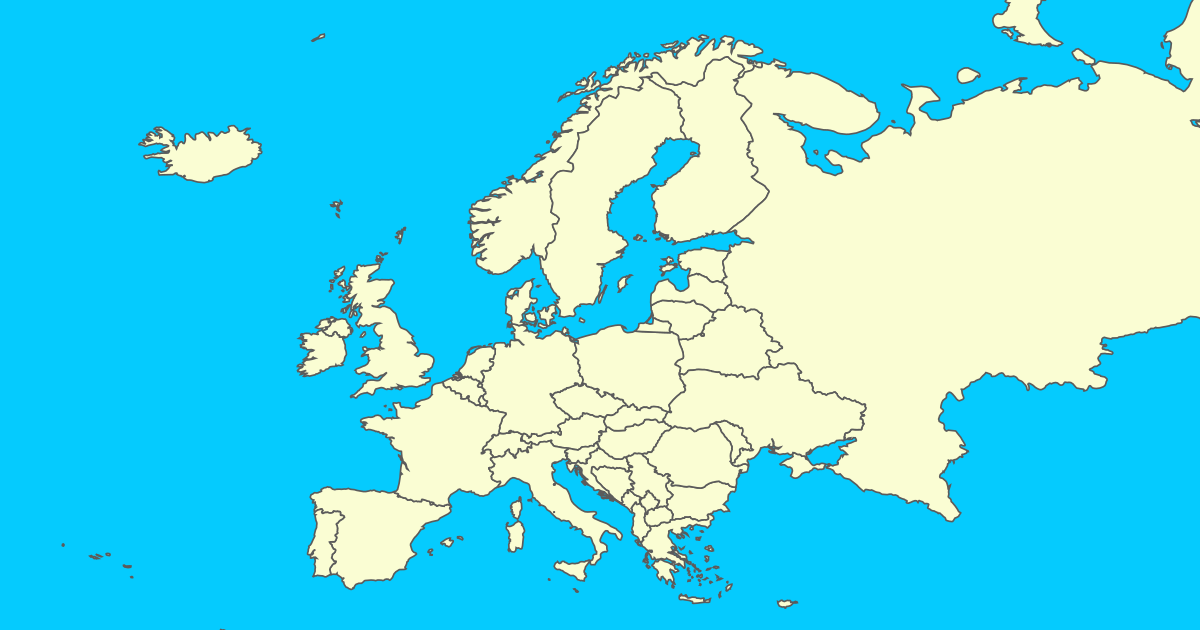
Europe
Zoom in on compact borders, peninsulas, and countries packed close together.
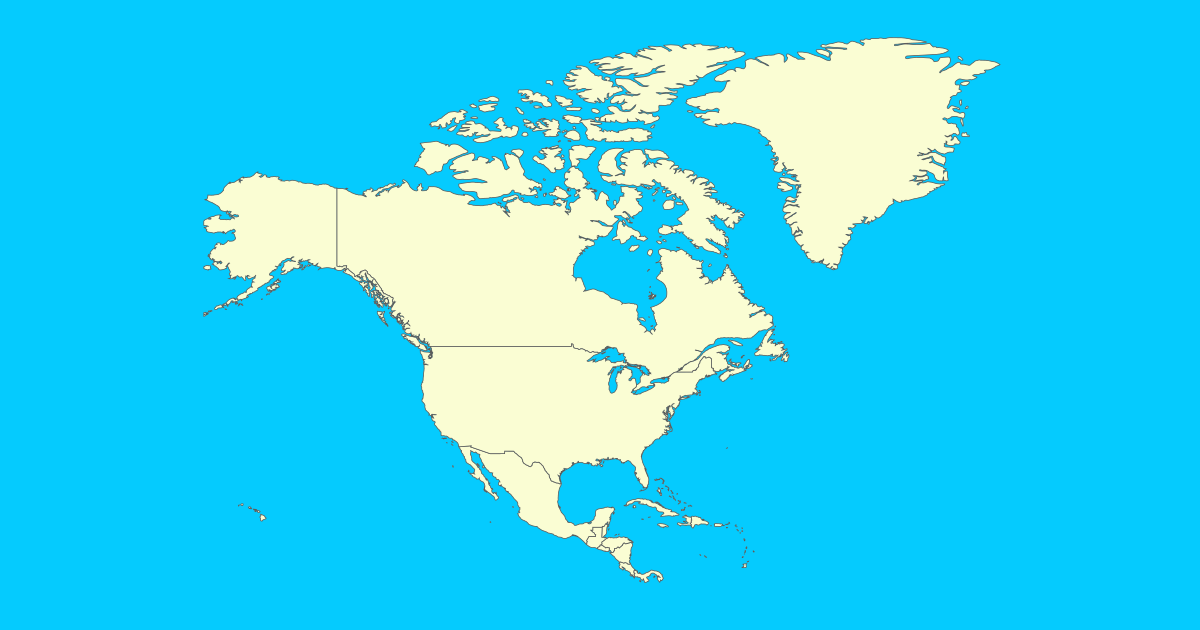
North America
Pick out countries from the Arctic edge down through Central America.
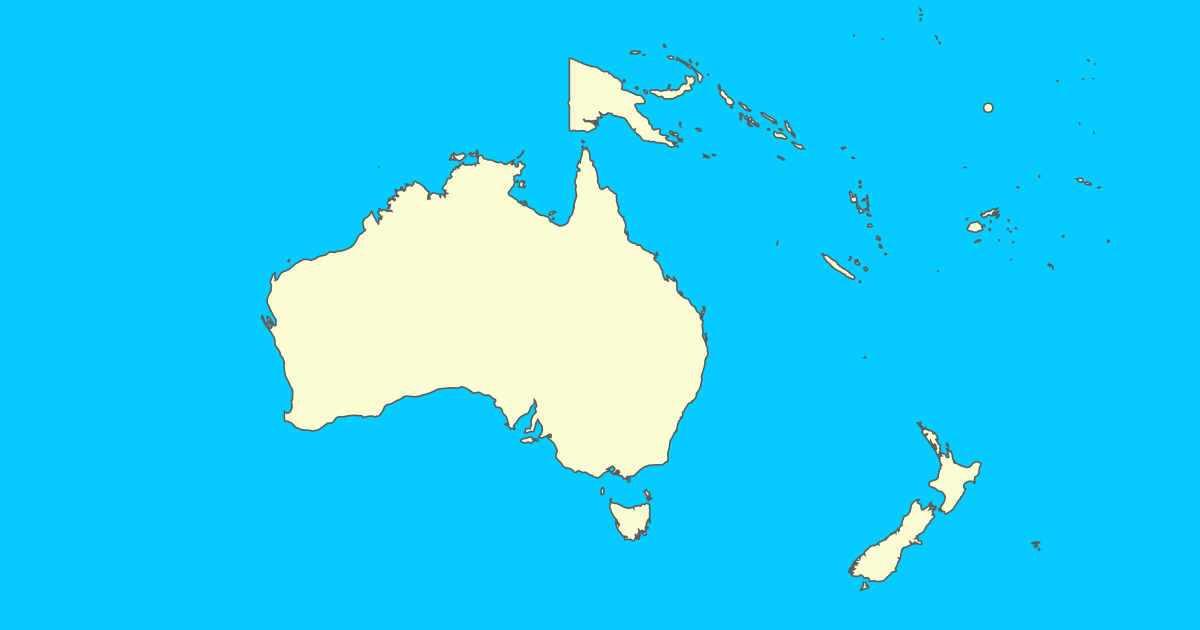
Oceania
Follow island nations across the Pacific and lock onto Australia first.
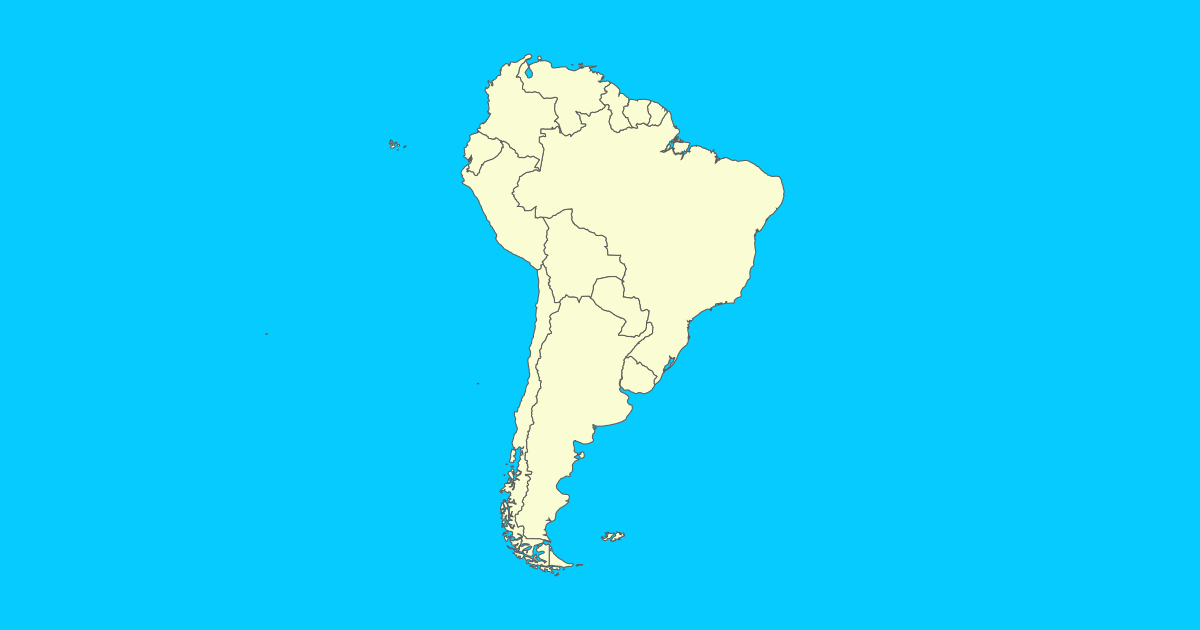
South America
Move from the Andes to the Atlantic and pin each country in place.
US States
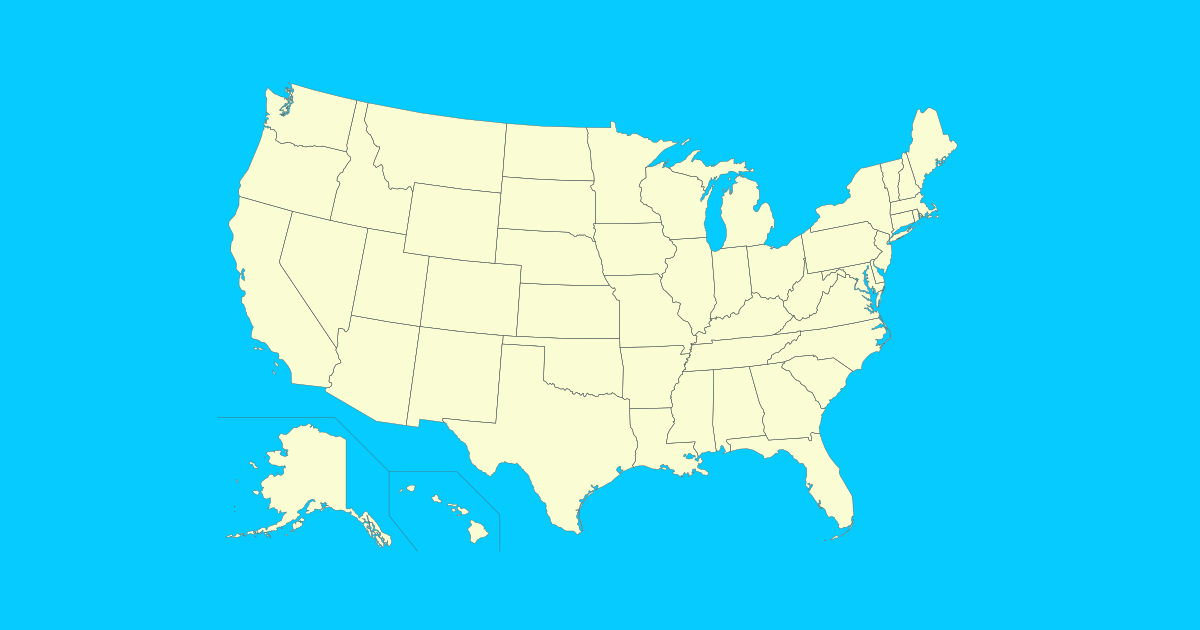
Find all 50 US states by flag, name, border, and position.
Capitals Map Games
World
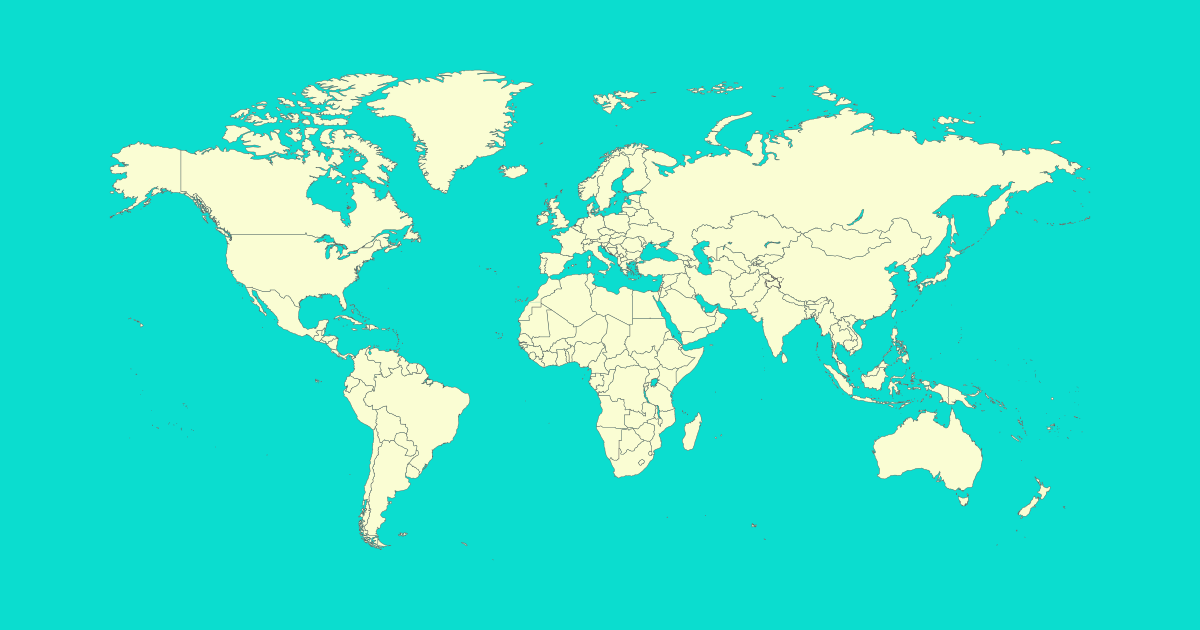
Match capital cities to countries across the full world map.
Africa
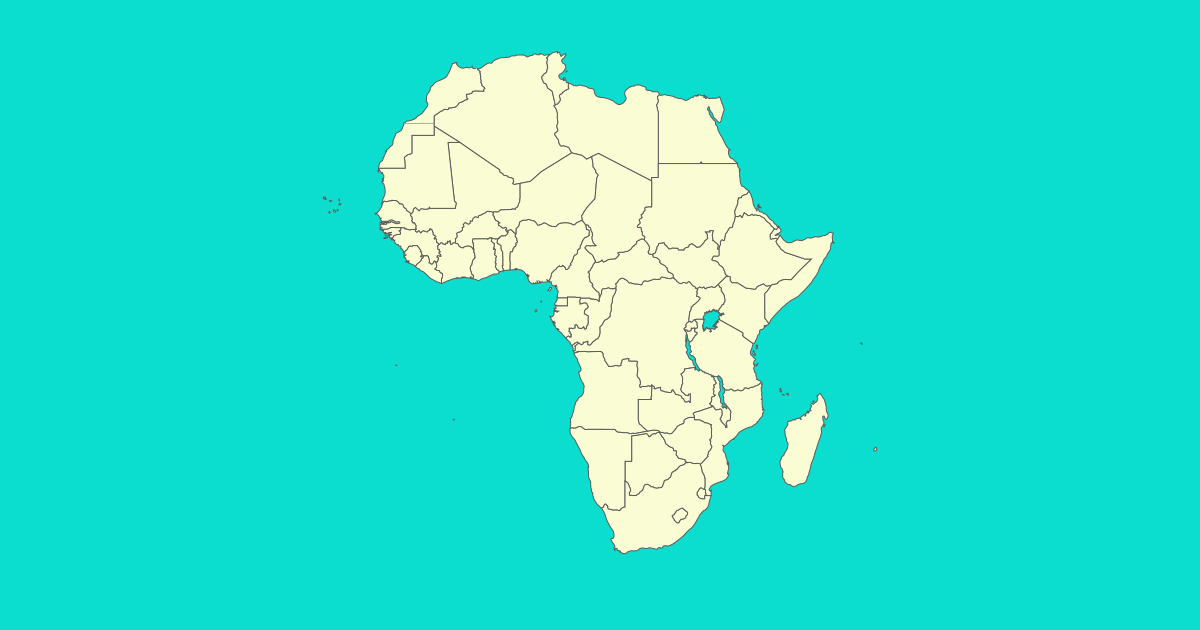
Use African capital cities to find their countries on the map.
Asia
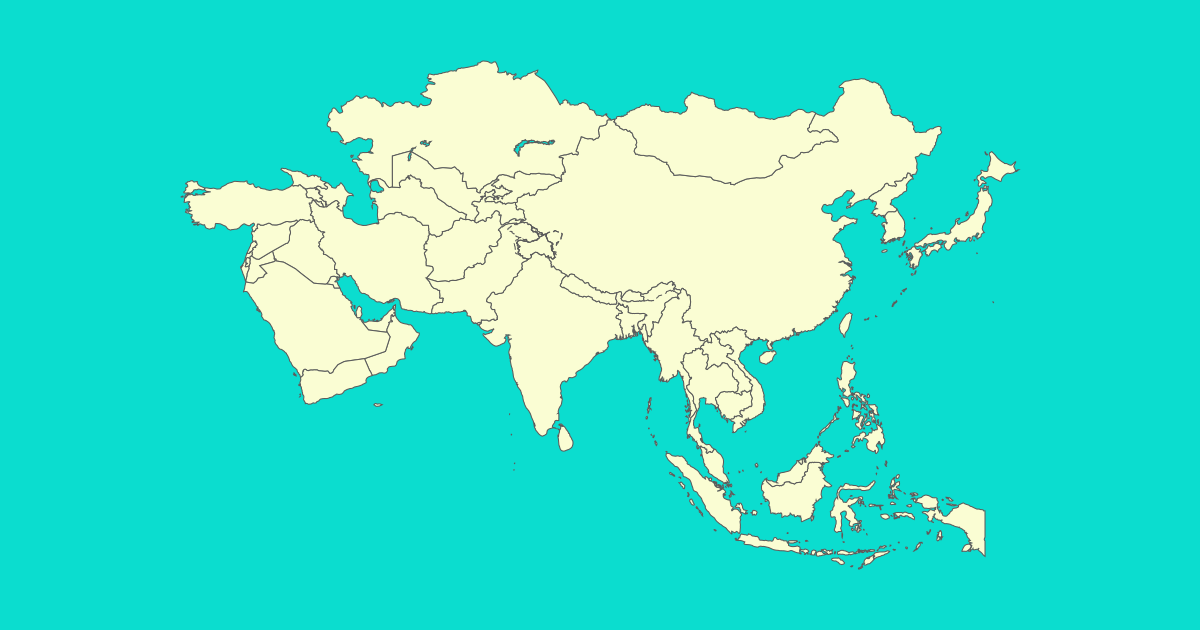
Connect Asian capital names with countries across a vast region.
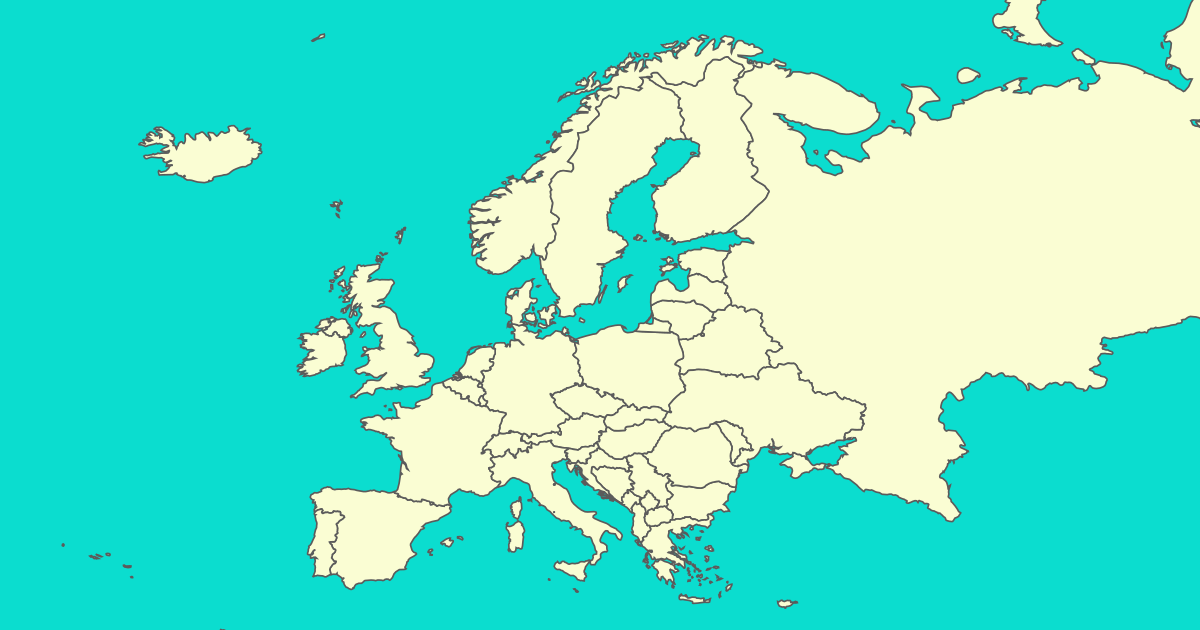
Europe
Test compact European geography through its capital cities.
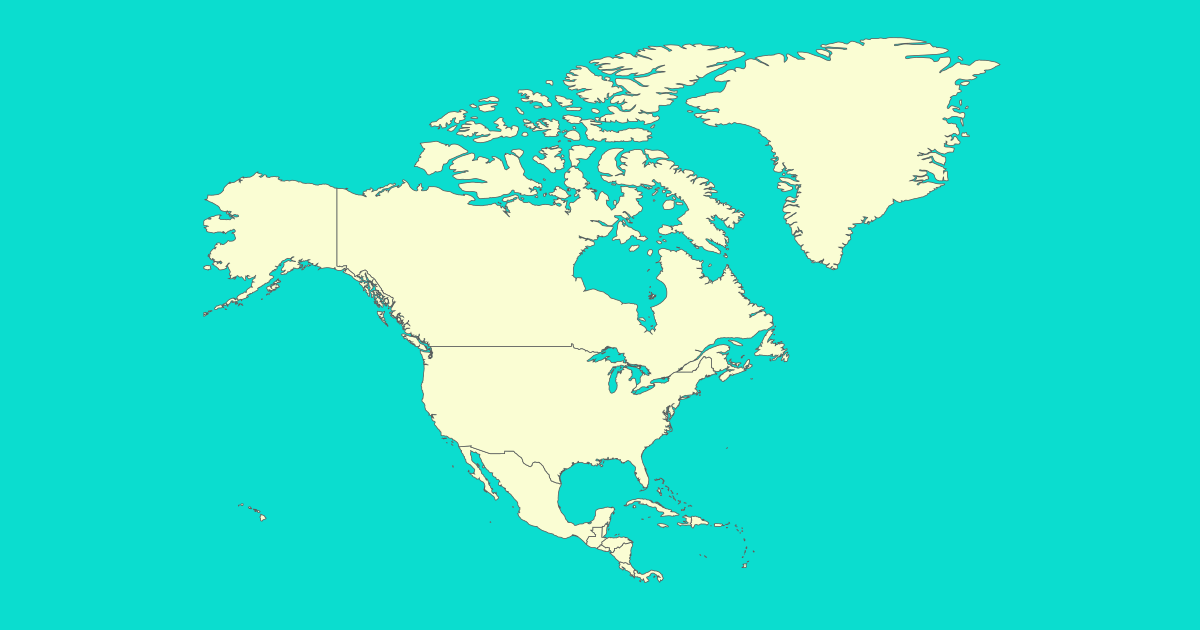
North America
Match capitals to countries from the Arctic to Central America.
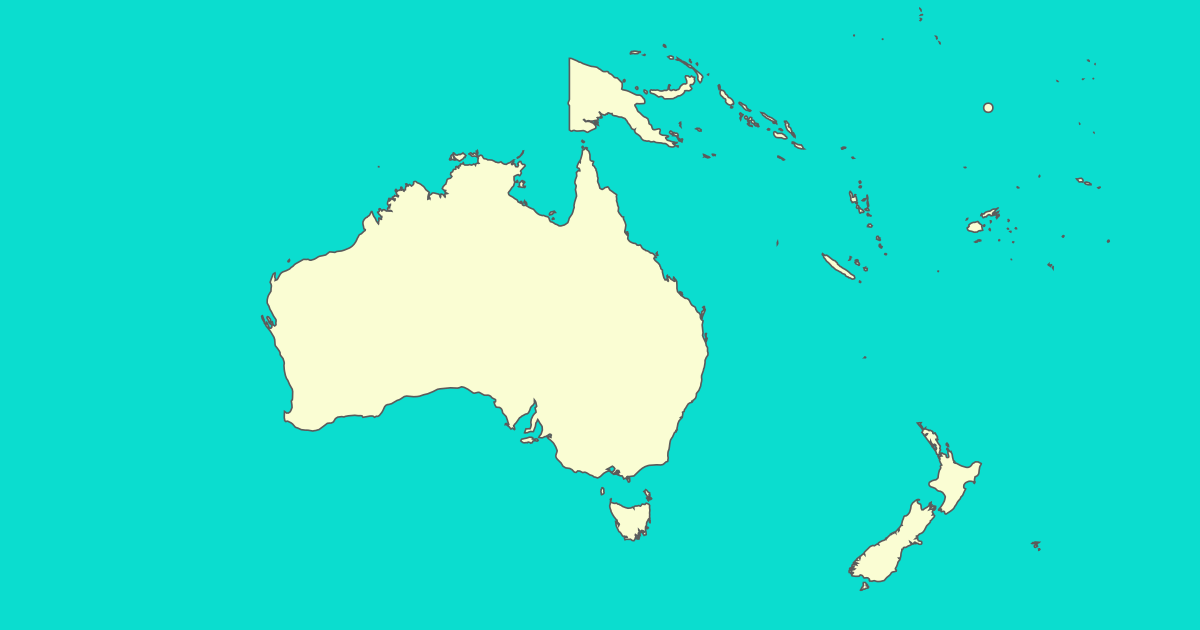
Oceania
Find Pacific and Oceania countries from their capital city names.
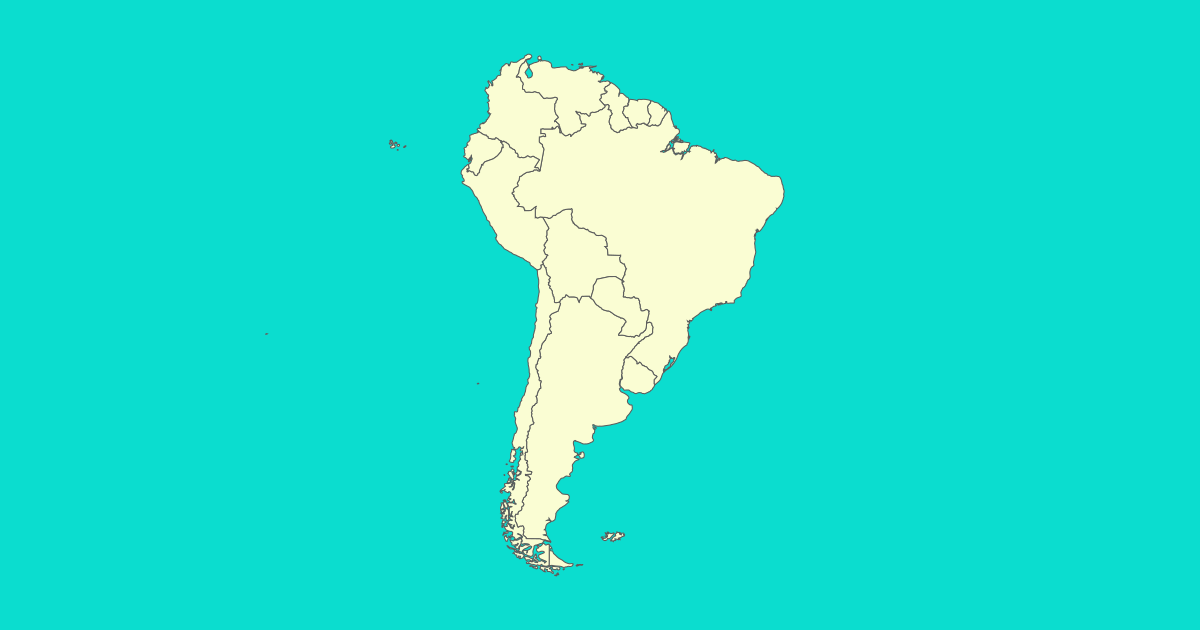
South America
Use South American capitals to pin each country on the map.